

















The Lost Art of the Generalist
For a long time, I wasn’t sure whether being a generalist was a strength or a liability.
I could move across strategy, partnerships, employee engagement, philanthropy, communications-adjacent work, execution, and relationship building. I could see how the pieces connected. I could often tell where something would break before it actually did. I could sit with executives, external partners, internal stakeholders, and operators and understand what each of them needed from the work. But in professional environments that like neat categories and clean labels, that kind of range can be hard to explain.
It is easier to understand the specialist. The specialist has a lane, a discipline, a title that signals expertise quickly. There is comfort in that. Organizations know where to place specialists. Hiring managers know how to evaluate them. Teams know when to call them.
Generalists are harder to summarize.
For a while, I thought that meant there was something incomplete about the path. That maybe I needed to become easier to categorize. More specific. More obvious. More legible in the language modern work tends to reward.
I do not think that anymore.
If anything, I think the generalist has become more valuable precisely because so much work now happens across functions, across disciplines, and across systems that do not naturally speak to one another.
The lost art of the generalist is not about being broad for the sake of being broad. It is about being able to hold complexity, connect dots, translate across worlds, and move work from idea to execution in environments where no single specialty is enough.
That kind of work is harder to put in a box. But that does not make it less important.
It may make it more important.
We built a culture that loves specialization
There are good reasons specialization became the dominant model. Organizations have grown more complex. Fields have matured. Technical expertise matters. Functional depth matters. In many cases, it should.
But somewhere along the way, many professional environments started treating specialization as the default marker of seriousness and generalism as a sign of vagueness, indecision, or lack of depth.
That framing misses something important.
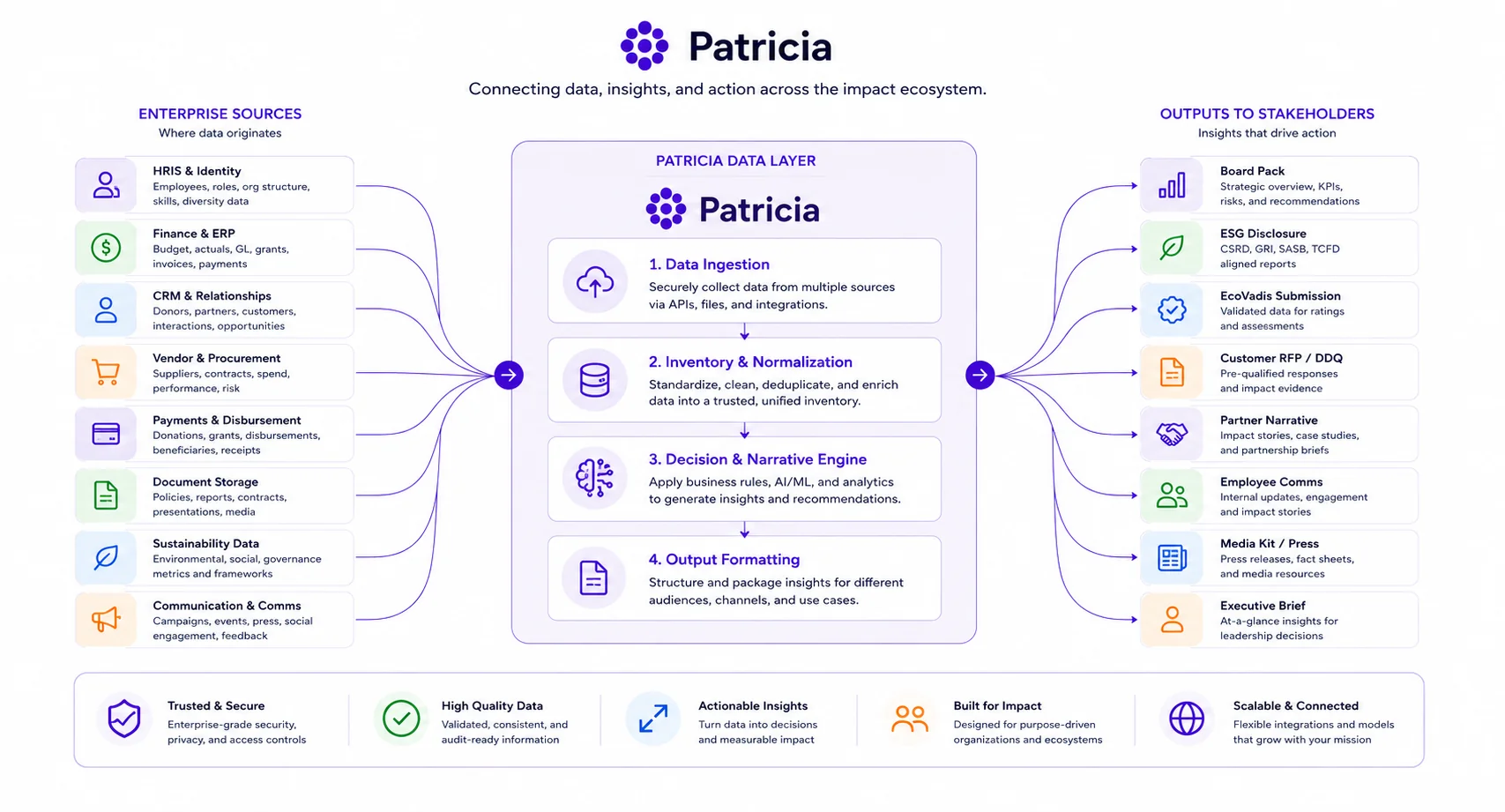
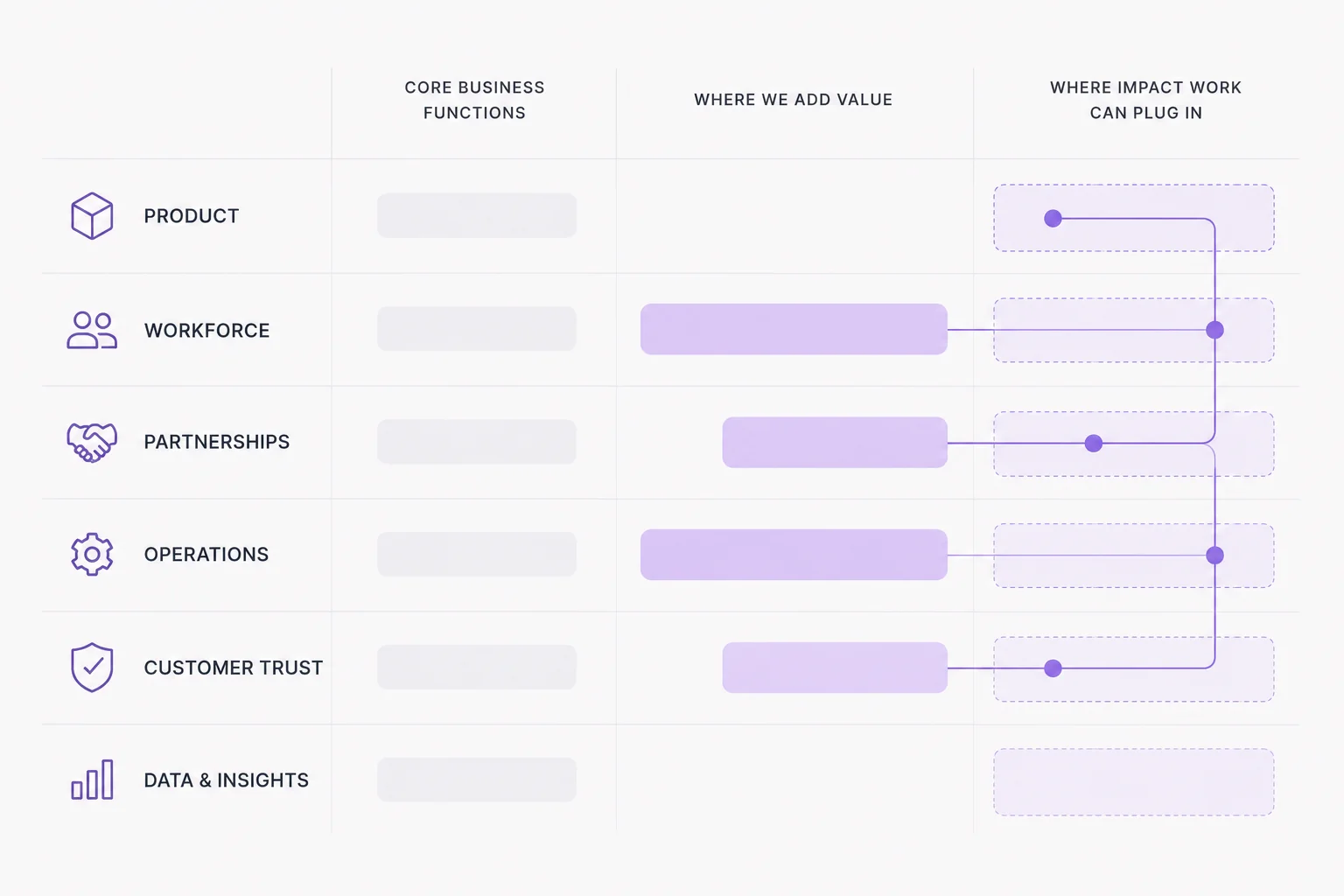
Some of the most difficult and valuable work in any organization is not purely functional. It is connective. It lives between teams, between priorities, between strategy and execution, between internal language and external reality. It requires someone who can understand enough of multiple domains to make the whole system work better.
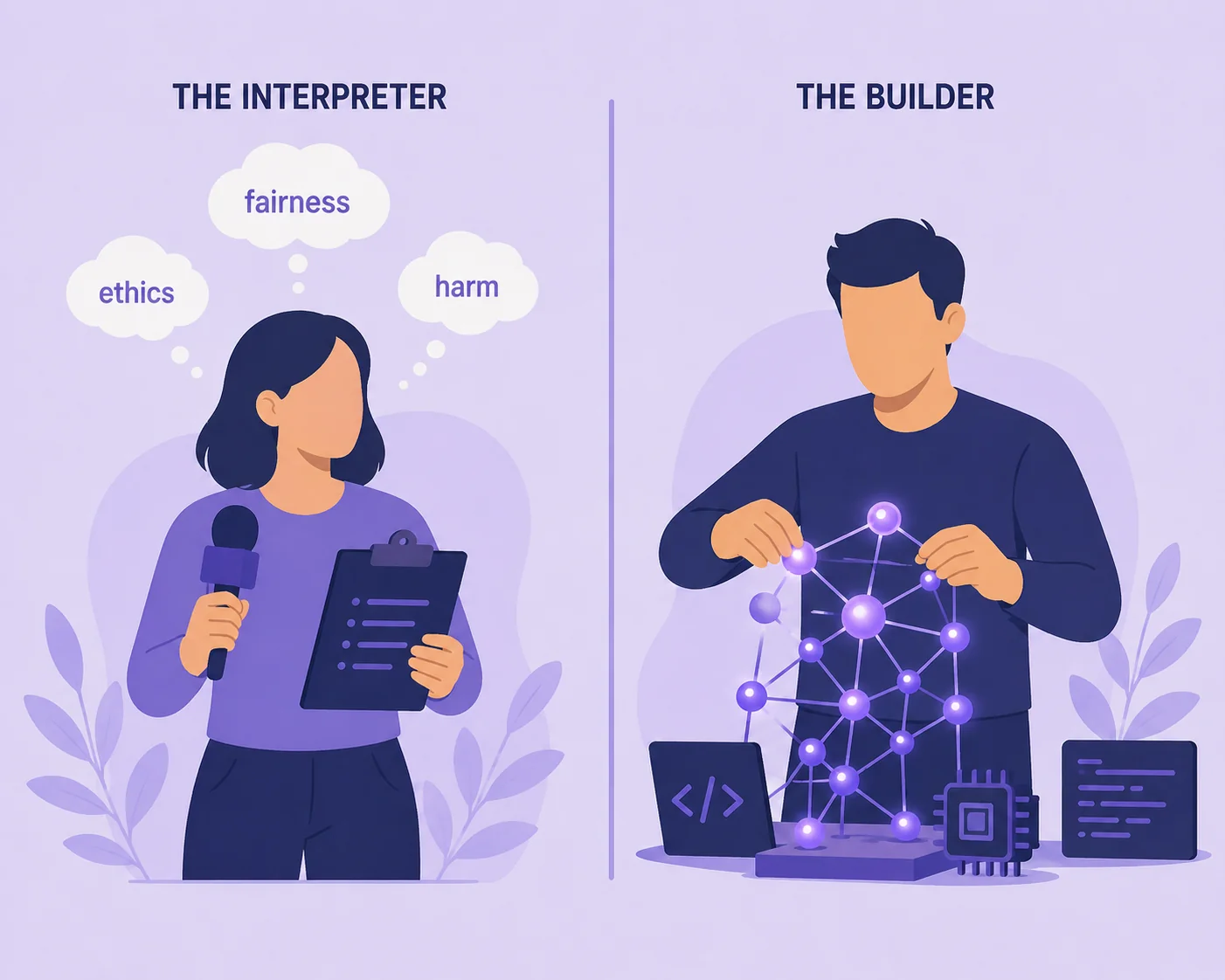
Specialists deepen a lane. Generalists often make the lanes work together.
That distinction matters more than most organizations admit.
Because the truth is that many of the problems companies face are not problems of isolated expertise. They are problems of coordination, translation, prioritization, sequencing, design, and alignment. They are problems that emerge when different functions each understand their own world but no one is fully responsible for how the worlds connect.
That is often where the generalist lives.

What a strong generalist actually does
I think generalists are often misunderstood because their value does not always show up in the same way as narrow expertise.
A strong generalist is not just someone who knows a little about a lot of things.
A strong generalist knows how systems behave.
They can enter a complex environment, understand the moving parts, recognize where the friction is likely to occur, and help different people make sense of one another. They can connect strategy to operations. They can translate vision into structure. They can move between abstraction and execution without getting lost in either one.
They are often pattern recognizers.
They are translators.
They are integrators.
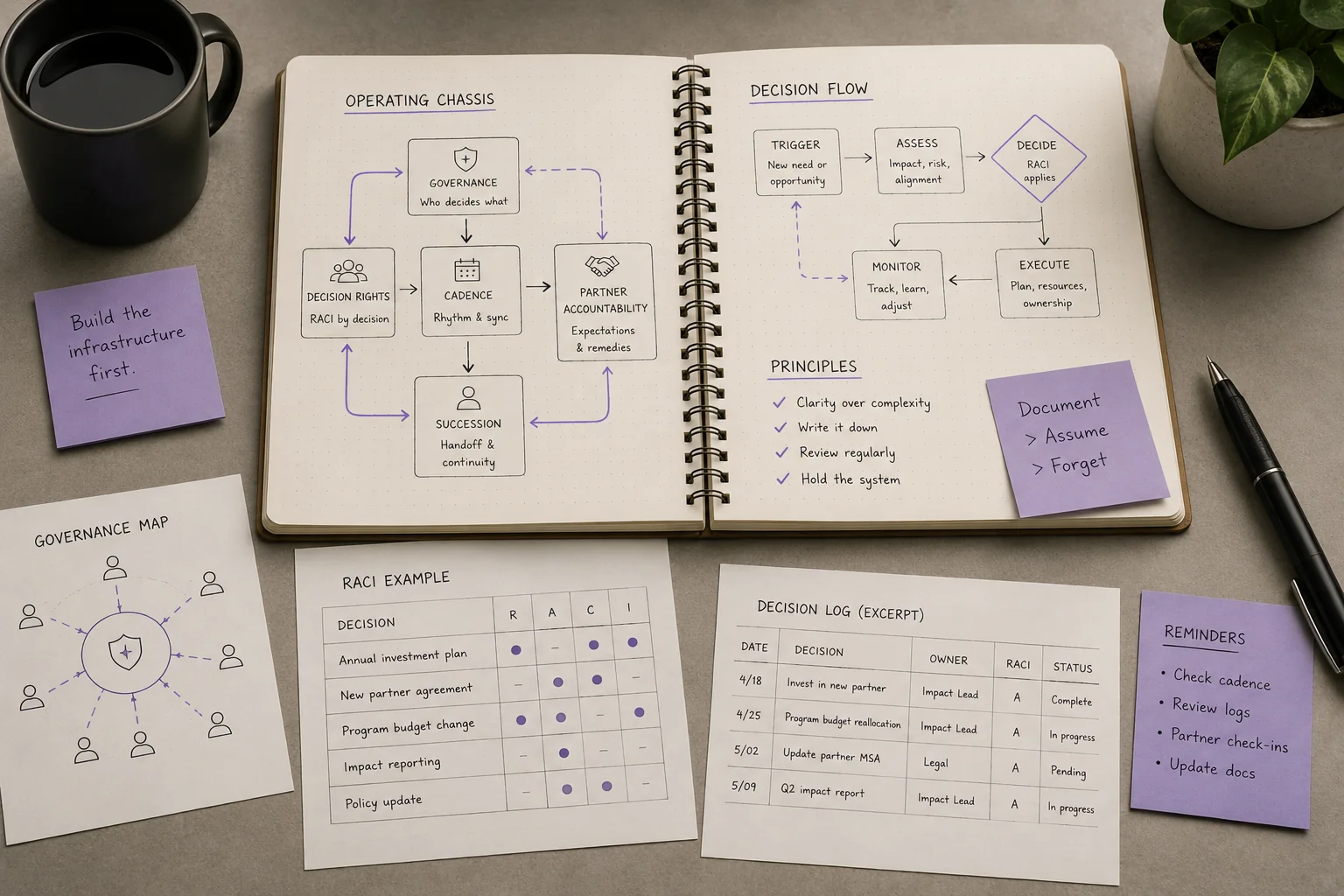
They are often the people asking the questions that make everyone slightly uncomfortable but save the work later. Who owns this? How will this actually run? What happens when leadership changes? What are we measuring? What is the operating model here? Are we solving the right problem, or just naming one?
Those are not glamorous questions. But they are often the questions that determine whether a good idea becomes real or stays trapped in presentation mode.
Generalists are also often early detectors of incoherence. Because they sit across functions, they can see when the messaging does not match the operating reality, when the partnership does not match the strategy, when the measurement plan is too weak to support the claim, or when a team is trying to launch something that has no long-term structure underneath it.
That is not a side skill. That is a form of leadership.
This matters especially in social impact
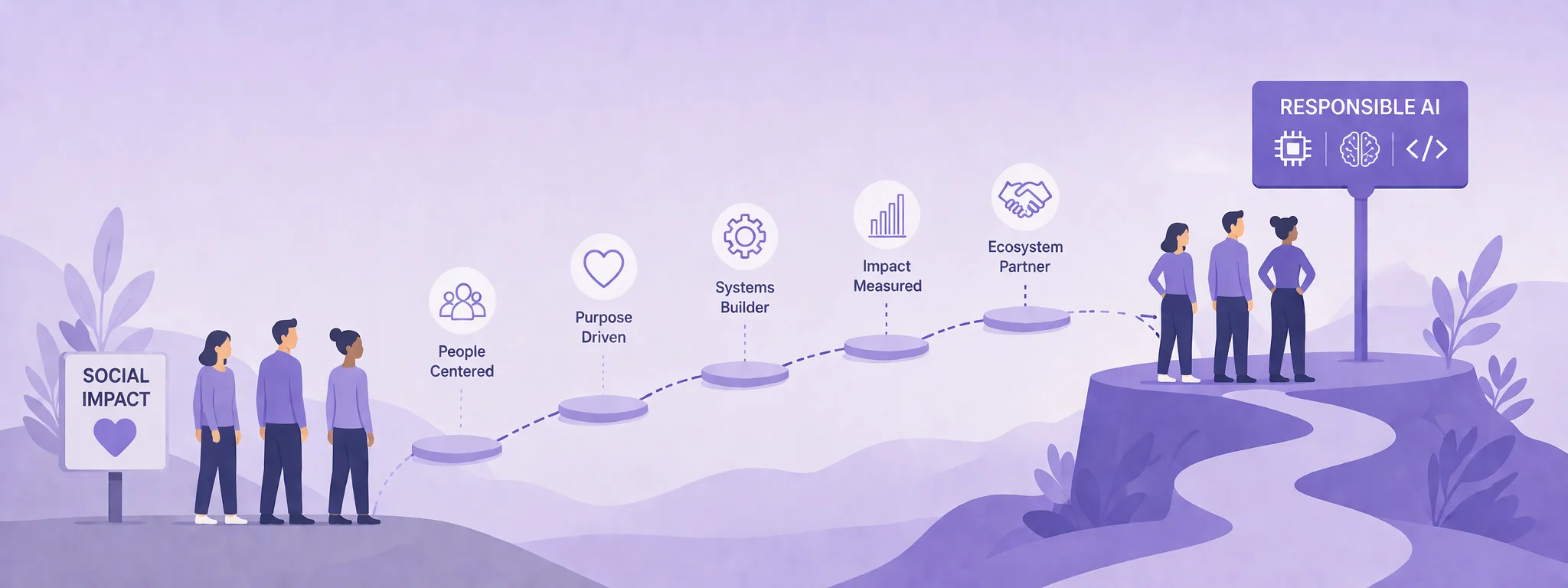
I have felt this most clearly in social impact work.
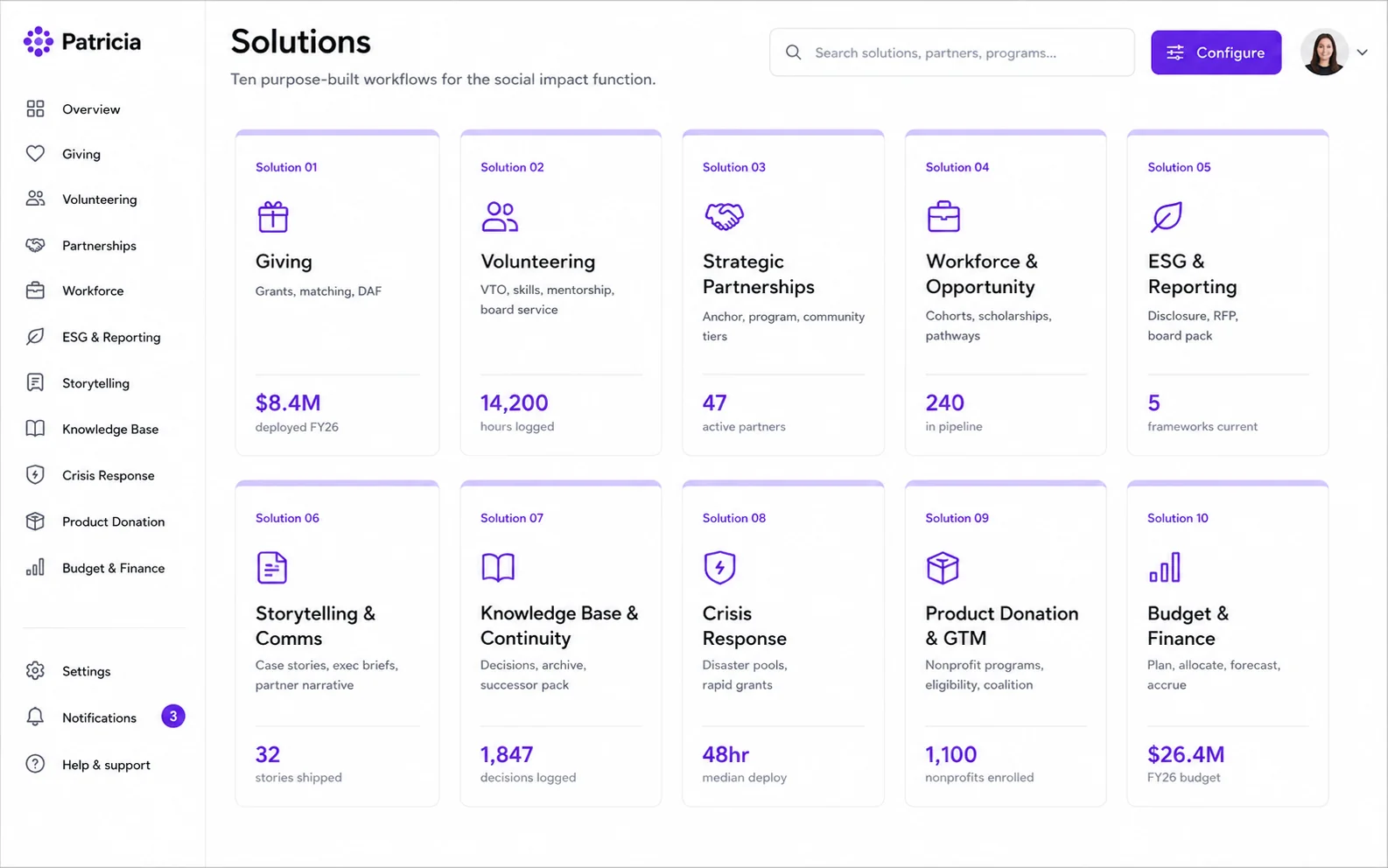
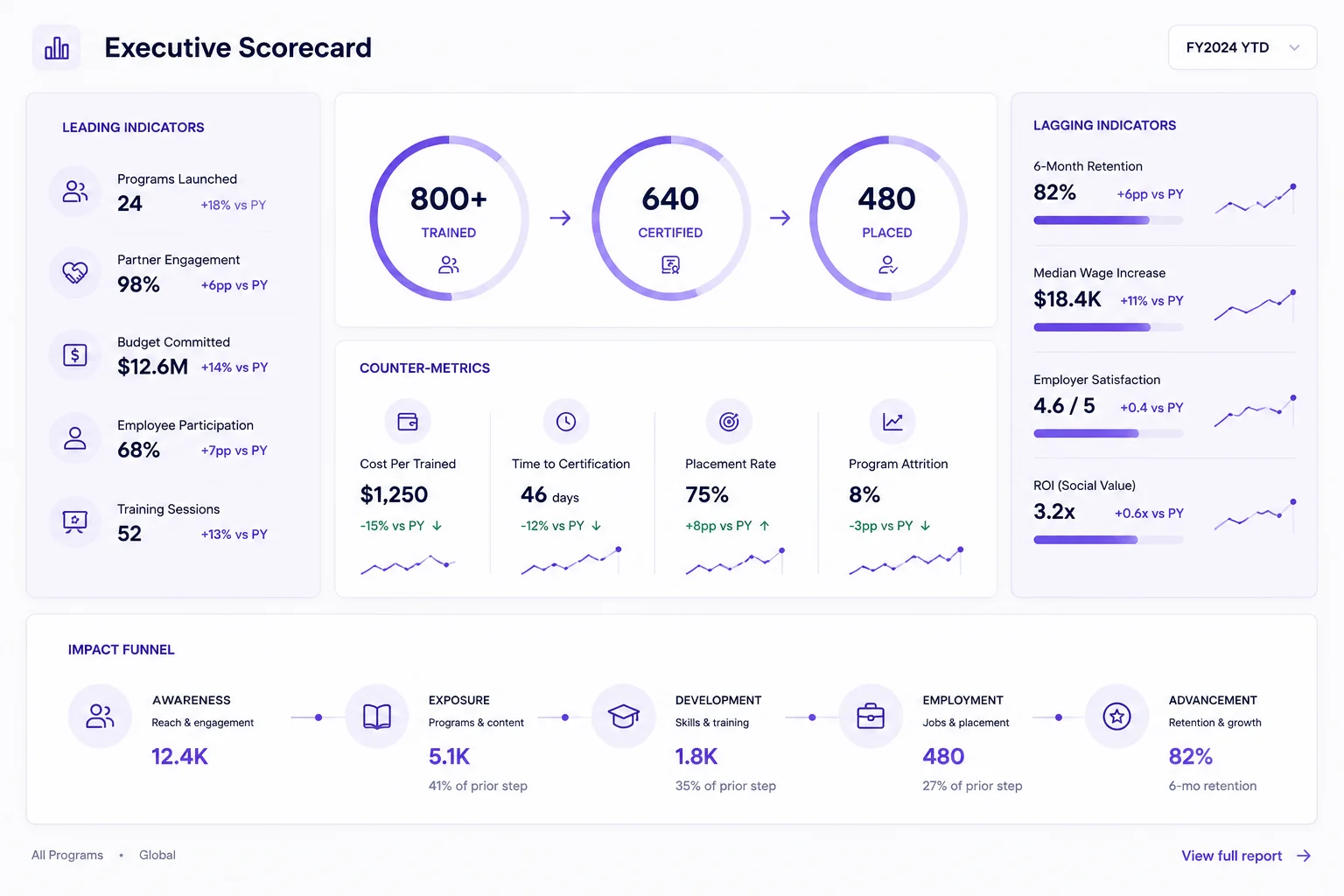
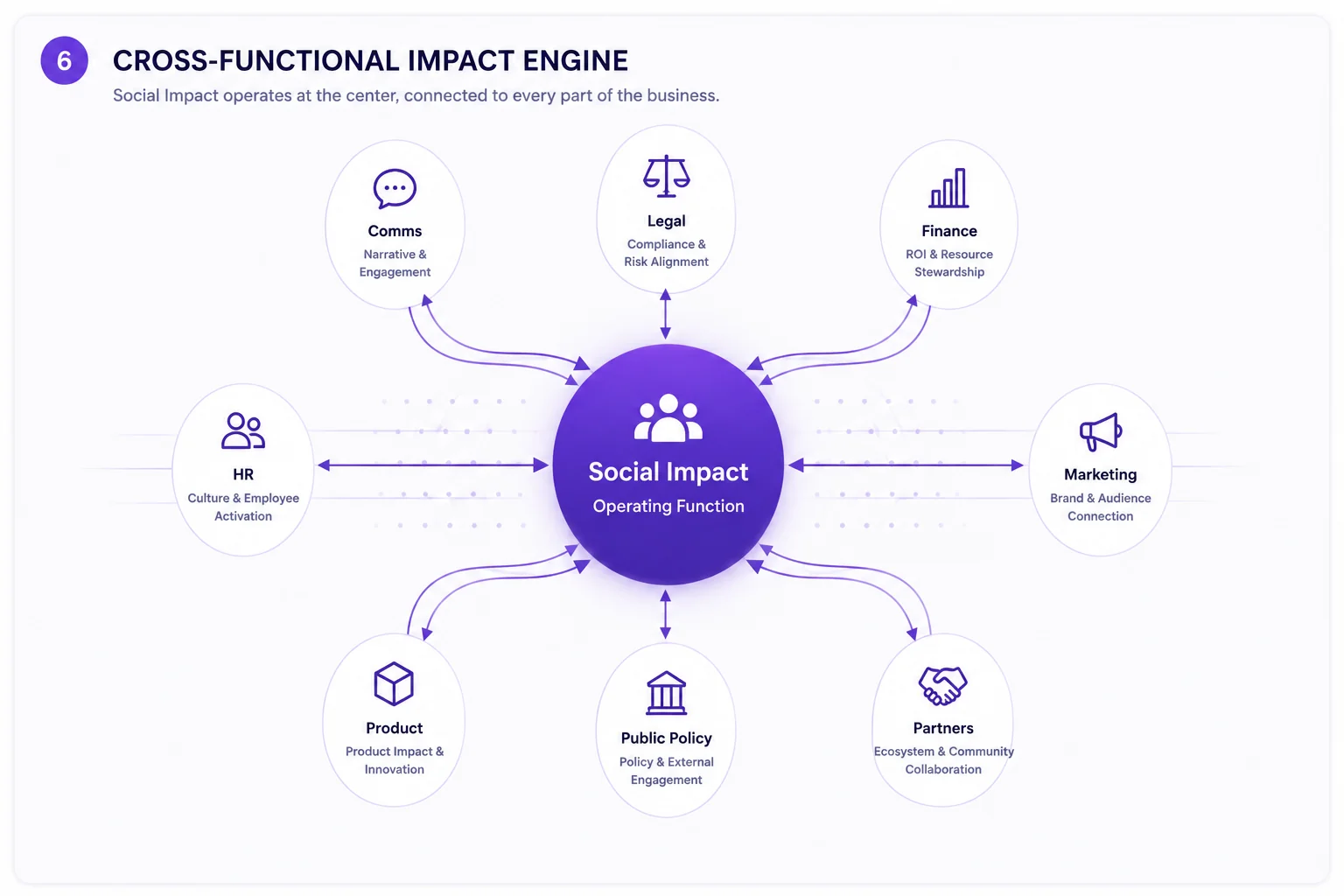
Social impact is one of those fields that sounds straightforward from the outside and is anything but once you are inside it. The work touches business priorities, partnerships, employee engagement, external affairs, communications, leadership expectations, ESG, legal considerations, community relationships, and measurement. It is often expected to be both inspiring and operational, values-driven and business-aligned, externally resonant and internally durable.
That is not specialist work alone.
Or maybe more precisely: it cannot be.
The strongest social impact work requires people who can move between multiple worlds and hold them together. People who can talk to executives about business relevance, to partners about mutual value, to employees about meaning, to communications teams about narrative, and to operators about what will actually be required to sustain the work. People who can see not just the program, but the system around the program.
In social impact, the generalist is often the one building coherence.
They are often the person asking whether the work can survive beyond one leader, one budget cycle, one moment of enthusiasm, or one polished launch. They are often the one turning values into structure. They are often the one noticing that what sounds compelling externally does not yet have the internal infrastructure to last.
That kind of work is easy to underestimate because it does not always announce itself as expertise in one obvious area. But I would argue it is some of the most necessary expertise the field has.

It matters in corporate tech too
Corporate tech environments can make this even more pronounced.
Tech companies often move fast, organize around functions, and reward clarity, speed, and specialization. That can create incredible depth. It can also create distance between teams that are each operating intelligently within their own lane.
And that is often where the cracks appear.
Not because people are not capable, but because the connective tissue is thin.
A lot of important work in corporate tech requires someone who can move across product-adjacent thinking, people strategy, external partnerships, internal alignment, executive communication, stakeholder management, systems design, and operational follow-through. Someone who can understand both the strategic ambition and the practical constraints. Someone who can see that success often depends less on the brilliance of any one function and more on whether the functions can coordinate around a coherent objective.
Generalists often thrive there because they are not just solving for one team. They are solving for the system.
They understand that ideas do not fail only because they are weak. They fail because they cannot move through the organization. They fail because no one translated them. They fail because ownership was scattered. They fail because everyone assumed someone else was connecting the dots.
Generalists connect the dots. In complex organizations, that is not a soft skill. It is infrastructure.
The hard part of being a generalist
None of this means being a generalist is easy.
In some ways, it is harder.
It can make your career story more difficult to tell. It can make you look nonlinear in environments that prefer a straight line. It can leave you in the awkward position of doing highly valuable work that is felt more than immediately recognized. Specialists often get cleaner signals of validation. Their expertise is easier to name, easier to hire for, easier to reward.
Generalists sometimes have to explain themselves more often.
They may be seen as versatile but not always fully legible. Capable, but harder to slot into a conventional narrative. Valuable in motion, but less obvious on paper.
There is also a real risk of becoming too diffuse. Not all breadth is useful. Generalism without rigor can become vagueness. Generalism without discernment can become overextension. Generalism without real depth anywhere can become performance instead of substance.
So I do not think the answer is to romanticize the generalist blindly.
The answer is to understand what a strong generalist actually is.
Not someone who lacks discipline. Someone whose discipline is integration.
Not someone who avoids expertise. Someone who develops enough depth across key domains to connect them intelligently.
Not someone who floats above the work. Someone who can move through different layers of the work and help them hold together.
That is a real skill set. And like any real skill set, it requires judgment, pattern recognition, humility, and experience.

What I have come to believe
Over time, I have stopped seeing generalism as a professional compromise.
I see it as a way of understanding systems.
I see it as the ability to recognize that most important work does not stay inside one lane for long. I see it as the ability to move between strategic thinking and practical design. I see it as the ability to synthesize, translate, build trust across functions, and help ideas become real.
I also think generalists often develop a particular kind of empathy. When you have worked across enough contexts, you start to understand why different people see the same work differently. You understand what finance needs that partnerships may not think about. You understand what employees feel that leadership may not see. You understand what external partners hear that internal teams may overlook. You understand that organizations are not just charts and strategies. They are living systems made up of incentives, fears, habits, ambitions, and tradeoffs.
Generalists do not solve all of that alone.
But they are often the people who can help it make sense.
The future may belong to people who can connect worlds
I do not think specialists are becoming less important. If anything, the world will continue to require deep expertise.
But I do think the ability to connect domains, translate across functions, and build coherence inside complexity is becoming more valuable, not less.
The future of work is not only about depth. It is also about synthesis.
It is about who can see the whole board.
Who can move between business goals and human realities. Between strategy and operations. Between vision and implementation. Between one function’s logic and another’s. Between the work as imagined and the work as actually lived.
That is the space generalists often occupy.
And for a long time, I think that contribution has been easy to overlook because it is not always loud, narrow, or easy to brand.
Some of the most important work in any organization happens in the spaces between the boxes on the org chart. That is where a lot of generalists live. Maybe that is not a weakness to explain away. Maybe it is a strength we need to recover.
Aaron Chrisco · December 15,2025